We are open 24 hours across our 2 Auckland Emergency Veterinary Hospitals. Call us on 09 849 2121

Pet First Aid: Fractures and Musculoskeletal Injuries

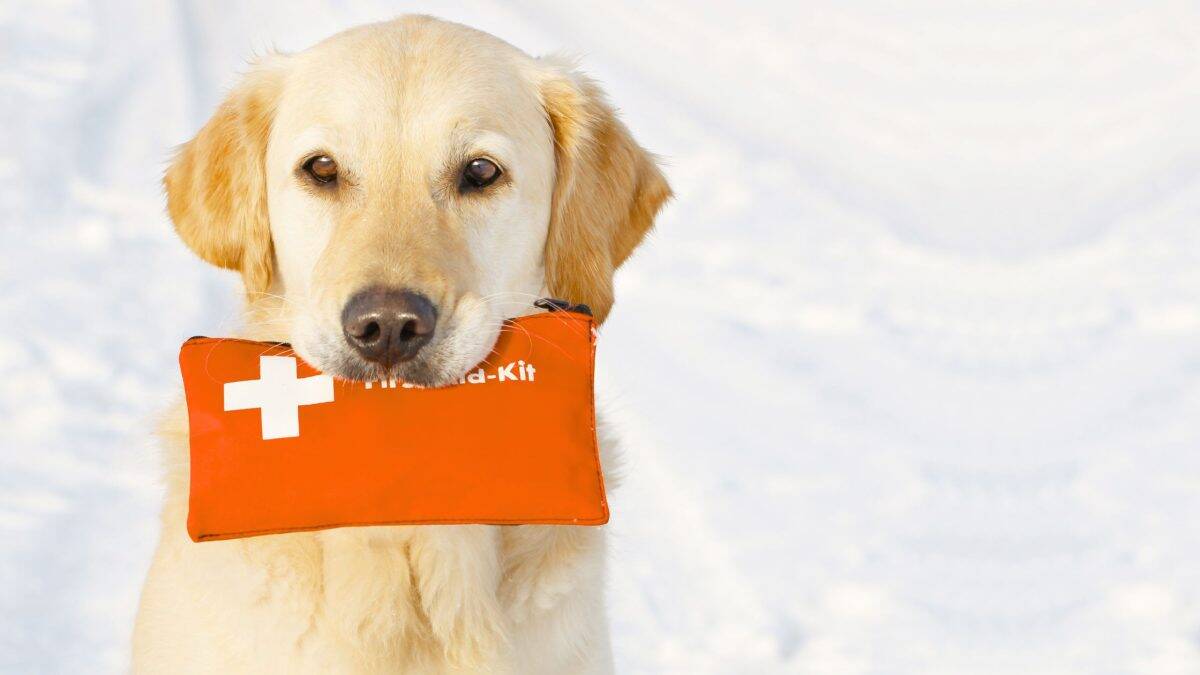
Managing Fractures and Skeletal Injuries in Pets

Introduction:

In this section of our first aid for pet owners series, we will discuss the important topic of managing fractures and musculoskeletal injuries in pets. Accidents or falls can sometimes result in broken bones or other musculoskeletal injuries, causing pain and discomfort for our beloved companions. Recognising the signs of a possible fracture and providing appropriate first aid can help stabilise your pet’s condition and prevent further harm until veterinary care is obtained. Remember, these guidelines are not a substitute for professional veterinary care, so always consult a veterinarian for a thorough evaluation and treatment.

  1. Recognising the Signs of a Fracture:
    • Lameness or reluctance to weight bear: Usually if a fracture has occurred, your pet will have a noticeable limp, or be unwilling to put any weight on the affected leg. They may also vocalise or show signs of pain when attempting to bear weight on the leg.
    • Obvious deformity: There may be an abnormal angle or position of the affected leg. However, even if the leg looks to be in normal alignment this does not rule out a fracture. 
    • Swelling and pain: A fracture may result in localised swelling,  and bruising of the affected leg. It may be very painful and your pet may vocalise when the injured area is touched.
  2. Providing First Aid for Fractures and Skeletal Injuries:
    • Keep your pet calm and immobile: Minimising movement will help to prevent further injury or displacement of the broken bone and will help minimise the pain your pet is feeling.
    • Protect yourself: If your pet is very painful they may bite, please ensure you are handling your pet safely to prevent injury to yourself. We recommend placing a muzzle, and using blankets to pick your pet up, when possible to keep yourself safe. 
    • Control bleeding: If there is an open wound with active bleeding apply gentle pressure with a clean cloth or sterile gauze. A light bandage can be placed to keep this cloth in place if your pet will tolerate this. Ensure this bandage is not tight, a tight bandage can interrupt blood supply to the lower limb and also may increase the pain experienced by your pet. 
    • Do not attempt to stabilise the fracture at home by placing a supporting bandage or splint. This can be very painful and may result in you getting bitten. 
  3. Transporting Your Injured Pet:
    • Use a stretcher or a firm, flat surface: Gently lift your pet onto a flat, stable and secure surface to prevent uncontrolled movement or stress on the injured area.
    • If your pet is still able to walk on 3 legs, a towel can be placed under their stomach to use as a sling for support while they are walking. 
    • Seek immediate veterinary care: Fractures and skeletal injuries require professional evaluation and treatment, including x-rays and potential surgical intervention. Contact your veterinarian or an emergency veterinary clinic to inform them about the situation and seek immediate assistance.

Remember, providing first aid for fractures and skeletal injuries is crucial, but it is not a substitute for professional veterinary care. The goal is to stabilise your pet and minimise pain and further damage until they receive appropriate medical attention.

Stay tuned for the next section of our Pet First Aid series, where we will discuss managing poisoning and toxicity in pets.

Disclaimer: The information provided in this series is intended as a general guide and does not replace professional veterinary advice. Always consult with a veterinarian for proper diagnosis and treatment of your pet’s specific condition.
Pet First Aid: Managing Bleeding & Wound Care

Managing Bleeding and Wounds in Pets

In this section of our first aid for pet owners series, we will discuss the important topic of managing bleeding and wounds in pets. Accidents or injuries can happen to our furry companions, and knowing how to handle bleeding and provide appropriate wound care can help minimise further damage and promote healing. While immediate veterinary attention is crucial for severe wounds, being prepared to administer first aid can make a significant difference in your pet’s well-being. Remember, these guidelines are not a substitute for professional veterinary care, so always consult a veterinarian for a thorough evaluation and treatment.


Steps for Managing Bleeding from a Deep Wound (exposing muscle or bone):

  • Remain calm: Stay calm to help keep your pet calm and reduce stress during the situation.
  • Keep yourself safe: If your pet is severely injured, anxious or painful they may bite or scratch. Use a muzzle or blanket when appropriate to allow you to help your pet in a safe manner.
  • Apply gentle pressure: Use a clean cloth or sterile gauze pad to apply gentle pressure to the wound. This can help control bleeding.
  • DO NOT apply any cleaning agents or antiseptics to the wound before it has been assessed by a veterinarian.
  • Apply a bandage: A bandage can be placed over the gauze pad to hold gentle pressure on the wound. It is very important this bandage is not too tight. 
  • Resist the urge to check under the bandage to check if the bleeding has stopped. The bandage should be left in place and the wound checked by a vet as soon as possible.
 
Steps for Cleaning and Dressing a Superficial Wound (not penetrating through the skin):
  • Gently clean the wound: Use lukewarm water on a sterile pad to gently clean the wound. Avoid using any additives such as hydrogen peroxide or alcohol, as they can delay healing and cause tissue damage. The skin around the wound can then be carefully dried with a clean cloth.
  • Trim surrounding fur: If the fur around the wound is obstructing proper cleaning or dressing, carefully trim it with pet-safe scissors. Take care to avoid getting hair in the wound while you do this.
  • Apply an appropriate dressing: Not all wounds require a dressing, but if this is required it should be placed after cleaning. A sterile, non-stick dressing can be used to protect the wound from contamination and further injury. Secure it with a bandage or self-adhesive wrap, ensuring it is snug but not too tight to restrict circulation.
  • If the wound is large or continues to bleed we recommend getting it assessed by your veterinarian as soon as possible.
 
How to Safely apply a Bandage:

IMPORTANT NOTE – a bandage applied incorrectly can result in serious injury to your pet. These instructions are a guideline for initial first aid, we always recommend a check with your veterinarian before leaving a home bandage in place longer than 1 hour. 

  • The wound and surrounding area (including fur) should be clean and dry before a bandage is applied.
  • It is recommended to use a non-stick sterile pad to cover any wounds that will be underneath the bandage. This will make removal of the bandage easier, and less painful for your pet.
  • A light cotton wool layer should be applied over the sterile pad to hold it in place. When placing the bandage on a limb, start wrapping from the toes up towards the body. This layer should be snug, but not too tight.
  • Finally, an outer layer of cohesive wrap can be applied over the cotton wool. It is very easy to place this too tightly – we recommend unwinding the roll and then loosely winding it up before applying to your pet. Do not stretch this material when applying to ensure it is not too tight. 
  • If you notice any swelling of the bandaged limb, it becomes more painful, or your pet is reluctant to use the limb after placement of the bandage, the bandage may be too tight and will need to be replaced. 
  • A home bandage should never be left on for more than 24 hours without consulting your veterinarian. 
 
Monitoring the Wound and Seeking Veterinary Care:
  • Monitor for signs of infection: Keep a close eye on the wound for any signs of infection, such as redness, swelling, discharge, or an unpleasant odour. Contact your veterinarian if you notice any concerning symptoms.
  • Prevent licking or scratching: Use an Elizabethan collar to prevent your pet from licking or scratching the wound, as this can introduce bacteria and impede healing.
  • Seek veterinary care: Regardless of the wound’s severity, it is advisable to consult your veterinarian for further evaluation and appropriate treatment. They can assess the wound, provide necessary medications (such as antibiotics or pain relief), and guide you on proper wound care at home.

Remember, prompt and appropriate wound care can help reduce the risk of infection and promote faster healing. Even if the bleeding appears to be under control, it’s important to seek veterinary care for a thorough assessment and tailored treatment plan.

Stay tuned for the next section of our Pet First Aid series, where we will discuss managing fractures and skeletal injuries.

Disclaimer: The information provided in this series is intended as a general guide and does not replace professional veterinary advice. Always consult with a veterinarian for proper diagnosis and treatment of your pet’s specific condition.

Pet First Aid: Safe Handling & Transport for Injured Pets

How to Safely Handle and Transport Your Injured Pet

In this section of our first aid for pet owners series, we will cover essential techniques for safely handling and transporting an injured pet.

When emergencies occur, it is crucial to ensure the safety of both yourself and your pet. Proper handling will help minimise the risk of further injury and allow you to transport your pet for prompt veterinary attention.

Approach with Caution:

  • Speak calmly and reassuringly to your pet.
  • Approach slowly, from the side, avoiding sudden movements that may startle them.
  • Be aware that injured animals may be scared or in pain, increasing the risk of defensive behaviour (bites or scratches).

Use Equipment to Safely Handle your Pet:

Dogs

  • A muzzle should be placed on all painful dogs as a precaution, before moving them or touching the painful area. If you do not have a muzzle, a strip of fabric or bandage can be gently tied around their nose.
  • The exception to this rule is if your pet has injuries around their face or nose. In this case take care with placing a muzzle or covering their face as this may make it difficult for them to breathe.

Cats

  • It is always safest to enclose an injured cat in a carry cage. If you do not have a carry cage available, a sturdy cardboard box with breathing holes could be used. 
  • A towel can be used to gently cover the cat before picking it up to place in a carry cage.

Moving into a Car for Transport:

  • Before moving or picking up your pet take note of the areas that are injured or likely to be painful. Take care to avoid touching these areas and try to provide support for them if possible.
  • Cats and small dogs are best placed in a carry cage or crate. This provides a firm surface to limit movement which will decrease any pain from their injuries. It also allows them to be safely restrained for transport.
  • Larger pets can be gently lifted onto a towel or stretcher, then moved into a car for transport. Ensure their neck and spine are supported while you are carrying them using the stretcher.
  • If your pet is severely injured they will feel more secure on a solid flat surface, or in a crate. It is not recommended to physically hold your pet in the car while driving. 
  • If your pet is unconscious or not fully responsive, they should be placed on their side with their head and neck in a normal position. Avoid bending their neck down towards the chest, or twisting the neck towards the body.  This position will ensure their airways stay open for unimpeded breathing. 
  • Some pets will feel more comfortable during transport when covered with a blanket.

Don’t Panic

  • It is very stressful dealing with an injured animal, especially when they are your beloved pet. Remaining calm will reassure your pet that you are there to help them. 
  • Drive safely and responsibly to your veterinarian or nearest emergency clinic.
  • If you are able please call ahead to your veterinary clinic to let them know you are on your way and an approximate time of arrival.

Disclaimer: It is important to remember that each situation may require different approaches to ensure the safety of both you and your pet. If you feel uncomfortable or unsure about handling an injured pet, seek professional veterinary assistance immediately.

Stay tuned for the next section of our Pet First Aid series, where we will discuss managing bleeding and wound care in pets.

Pet First Aid: Recognising Emergency Signs

How to to recognise signs of an emergency in your pet

In this section of our first aid for pet owners series, we will discuss the important topic of how to recognise signs of an emergency in your pet.

Understanding what might be a sign of an emergency in your pet can be crucial. As pet owners we learn to understand lots of ways our pets communicate, whether they are hungry, need to go out, or when they want to play – but do you know the signs for when your animal is in distress? Some of them will be obvious, but not all.

Our pets can’t tell us, so being able to understand the signs of an emergency can make a huge difference. In this blog post we will explore the vital topic of recognising emergency signs in your pet. Being able to identify when your furry friend is experiencing a medical crisis is crucial for prompt intervention and ensuring their well-being. By understanding the signs of a pet emergency, you can take immediate action and seek veterinary care when necessary.

Difficulty Breathing:

  • Rapid or laboured breathing: Your pet may exhibit unusually fast or shallow breaths, struggling to take in enough air.
  • Choking or gasping for air: They may show signs of choking, coughing, or having difficulty swallowing.
  • Bluish gums or tongue: If your pet’s gums or tongue appear bluish or grayish, it could indicate a lack of oxygen.

Uncontrolled Bleeding:

  • Profuse bleeding from a wound or body orifice: Your pet may have an open wound or bleeding from the mouth, nose, or ears.
  • Blood loss that doesn’t stop with direct pressure: If the bleeding continues despite applying gentle pressure, it requires immediate attention.
  • Weakness or pale gums due to blood loss: Your pet may exhibit weakness, pale or white gums, or show signs of shock.

Loss of Consciousness:

  • Unresponsiveness or unconsciousness: Your pet may not respond to stimuli, may appear disoriented, or be unarousable.
  • Fainting or collapse: Sudden collapses or fainting episodes are significant indications of a pet emergency.

Severe Injury or Trauma:

  • Deep lacerations or puncture wounds: Visible wounds that are deep, bleeding profusely, or exposing internal tissues require immediate attention.
  • Suspected broken bones or limb deformities: If your pet has a misshapen limb, cannot bear weight on a limb, or shows signs of extreme pain, it could indicate a fracture.
  • Severe pain or obvious distress: Your pet may exhibit signs of severe pain, such as constant whimpering, yelping, or aggressive behaviour.

Ingestion of Toxins or Foreign Objects:

  • Ingestion of toxic substances (e.g., medications, chemicals, plants): If you suspect your pet has ingested a potentially toxic substance, it requires immediate veterinary attention.
  • Swallowing of sharp objects or foreign bodies: Signs can include choking, gagging, excessive drooling, or retching without producing vomit.

Acute Abdominal Distress:

  • Abdominal bloating or distension: A visibly swollen or distended abdomen, especially if it is firm or painful to the touch, may indicate a life-threatening condition.
  • Unproductive vomiting or retching: Repeated attempts to vomit or retch without producing anything can be a sign of gastric dilatation and volvulus (GDV) or other gastrointestinal issues.
  • Signs of severe abdominal pain or discomfort: Your pet may exhibit restlessness, pacing, or vocalizing in response to abdominal pain.

Inability to Urinate or Defecate:

  • Straining without producing urine or faeces: If your pet is attempting to urinate or defecate without success or only producing small amounts, it could be a sign of urinary obstruction or constipation.
  • Distressed vocalizations during attempts to urinate or defecate: Crying out, whimpering, or showing signs of pain while attempting to eliminate can indicate an emergency situation.
  • Signs of pain or discomfort in the urinary or anal area: Your pet may excessively lick their genital or anal area, exhibit signs of discomfort, or have swollen or red tissue.

Heatstroke or Hypothermia:

  • Excessive panting and drooling (heatstroke): When exposed to high temperatures, your pet may pant excessively, drool excessively, or have bright red gums.
  • Weakness, shivering, or disorientation (hypothermia): In cases of extreme cold, your pet may display signs of weakness, shivering, difficulty walking, or mental confusion.
  • Unresponsive to temperature regulation efforts: If your pet fails to respond to efforts to cool them down or warm them up, it requires immediate attention.

Seizures or Convulsions:

  • Uncontrolled muscle twitching or shaking: Seizures are characterized by sudden, uncontrollable muscle twitching, shaking, or convulsions.
  • Loss of consciousness during episodes: Your pet may lose consciousness or become disoriented during a seizure.
  • Abnormal behaviour or disorientation post-seizure: After a seizure, your pet may appear disoriented, lethargic, or exhibit unusual behaviour.

It’s important to note that this list is not exhaustive, and there may be other emergency signs specific to your pet’s species or health conditions. Trust your instincts as a pet owner and seek veterinary care if you observe any sudden, severe changes in your pet’s behaviour or suspect an emergency, even if the signs are not explicitly mentioned here.

When to Seek Immediate Veterinary Care:

Anytime you observe one or more of the above emergency signs or notice any sudden, severe changes in your pet’s behaviour, it’s crucial to seek immediate veterinary care. Do not delay in contacting a veterinarian or an emergency veterinary clinic, as swift action can be critical for a positive outcome. Remember, you are your pet’s advocate, and your quick response can make a significant difference in their well-being. 

Stay tuned for the next section of our Pet First Aid series, where we will discuss safe handling and transport of injured pets.

Disclaimer: The information provided in this series is intended as a general guide and does not replace professional veterinary advice. Always consult with a veterinarian for proper diagnosis and treatment of your pet’s specific condition.

Pet First Aid: An Introduction to our new animal emergency blog series

We understand the importance of being prepared for animal emergencies. Pet first aid is a skill that can make a significant difference in ensuring the well-being of your pets in critical situations before professional veterinary assistance is available. 

Our team of animal emergency veterinarians have created this Pet First Aid blog series, which is an essential read for all pet owners. The information we will provide is designed to provide general guidelines only and can be used to help prepare for an unexpected situation. In an emergency we strongly recommend you contact your veterinarian or nearest emergency veterinary clinic as soon as possible for the best advice tailored to your pet. If you are in Auckland and have a pet emergency, you can contact our team on 09 849 2121.

In this introduction to pet first aid, we’ll start by explaining the unique aspects of pet first aid compared to human first aid, and guide you in assembling a practical pet first aid kit. 

The Importance of Pet First Aid Knowledge

As a pet owner, being equipped with basic first aid knowledge is essential. Accidents can occur unexpectedly, and our furry friends are not exempt from emergencies. By understanding pet first aid techniques, you gain the ability to provide immediate care during crucial moments, which can greatly improve outcomes and potentially save lives.

What Are The Differences Between Human and Pet First Aid:

While there may be some overlap between human and pet first aid, it’s vital to recognise that animals have distinct anatomical and physiological characteristics that require specific approaches to emergency care. 

A big difference between pets and humans is the presence of fur. Plasters and other dressings that work well on human skin will not adhere to a pets fur. If your pet has a wound, a full bandage will usually be required to ensure the wound remains covered. 

Pets will often try to lick wounds and foreign substances on their fur. Licking at wounds can cause further damage and lead to infection, and licking foreign substances can worsen a toxic exposure. An Elizabethan Collar can be placed to prevent pets from licking. 

As an owner you cannot explain to your pet that you are trying to help them. In a situation where the pet is severely painful or fearful, they may scratch or bite. It is important that you take steps to protect yourself – a muzzle can be used to prevent a dog from biting, and a towel can be used to gently restrain a cat.  

It is important to note that while some human medications can be used safely in our pets, there are a large number of medications that are harmful. We do not recommend administering any human medications to your pet without first seeking veterinary advice. 

Creating a Pet First Aid Kit:

Having a well-prepared pet first aid kit readily available is a proactive measure you can take to make sure you are ready for any pet emergencies. You should consider creating a small first aid kit for your pets that includes:

  1. Basic Supplies:
    • Sterile gauze pads
    • Non adherent dressings
    • Soft cotton wool padded bandages 
    • Conforming bandages
    • Adhesive tape 
    • Alcohol wipes
    • Sterile saline solution
    • Cold pack
  2. Tools and Accessories:
    • Scissors
    • Disposable gloves
    • Nail clippers
    • Tweezers or forceps 
    • Muzzle or fabric strips (to prevent biting in pain or fear)
    • Digital rectal thermometer
    • Towel or fabric stretcher 
    • Elizabethan collar
  3. Information and Contact Details:
    • Pet’s medical records, including vaccination history
    • Contact information for your regular veterinarian and local emergency veterinary clinic

Having a pet first aid kit is the first step in making sure you are prepared for anything your pet may need. Our first aid series will guide you through some of the situations when you might need to use them, or when you might need an emergency vet and we will be posting new articles in this series on a regular basis.

To see more of our Pet First Aid Series Click Here 

Watch Out For Rat Bait – And What To Do If Your Animal Has Eaten Some

IF YOU THINK YOUR PET HAS EATEN RAT POISON, SEEK IMMEDIATE MEDICAL ASSISTANCE. WE ARE OPEN 24 HOURS CALL US ON 09 849 2121

Rats are not native to Aotearoa and therefore the huge, adverse impact they have on our native wildlife classifies them as a pest. Rats can breed very quickly and populations can quickly become a problem. They eat a variety of vulnerable native species of plants, insects, lizards and birds. 

Across the country. rat control programmes are in place with the aim to eradicate the rat colonies. This means, both out and about, as well as on our own properties, it is not uncommon to come across rat poison. 

Keeping your animals away from rat bait is essential as it is highly dangerous to our pets.

Rat bait is a product that is strategically used in New Zealand to control our pest population to help our native wildlife. 

It comes in several forms and if it is accidentally ingested by your pet it can have a disastrous result. 

A rat - a pest in New Zealand that destroys our native wildlife
Rat Bait - Rat Posion. Small blue pellets NZ

The most common types of rat bait used in New Zealand are anti-coagulant based rodenticides, also known as warfarin.  These include baits which have active ingredients such as brodifacoum, difenacoum and bromadioline. 

They act by interfering with the body’s normal vitamin K cycle and therefore hinder the production of clotting factors. 

These clotting factors are needed to control bleeding. 

As a result, animals that ingest this poison bleed into their body, most commonly into their chest and abdomen. Clinical signs usually take 3-5 days to develop after ingestion and include lethargy, coughing, panting when resting a distended (swollen) abdomen, pale gums , vomiting and anorexia.  

If you have recently seen your animal eat rat bait or are highly suspicious that they may have eaten rat bait, then call your local GP vet or emergency centre immediately.  

If you are suspcious that your pet has eaten rat bait from home, please bring in the box, or the product name of what you think they might have eaten as this will help to guide treatment.

A vet can induce your pet to vomit and hopefully empty their stomach, thereby retrieving any eaten rat bait. This is a quick and painless procedure that could be lifesaving. 

A blood test 48 hours later can help confirm that there is no longer any remaining rat bait in your pets body.

If your pet presents with the previously mentioned clinical signs, then please seek immediate veterinary care. Treatment usually involves fluid therapy, blood transfusions and supplementing vitamin K. Generally, pets will be hospitalised for up to 72 hours or until they are stabilised before going home. They will continue on vitamin K therapy at home for 4-6 weeks depending on the type of rate bait eaten. A final blood test is done at the end of this period to ensure further treatment is no longer needed.  


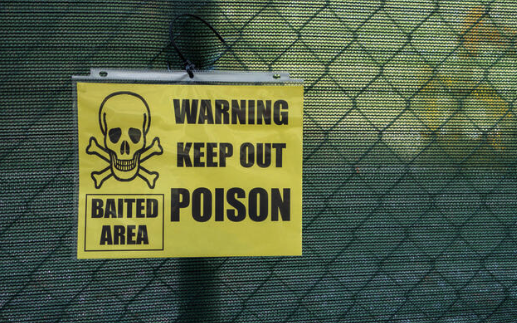
Watch out for signs in public spaces that describe what has been used - watch out for rat bait

Prevention of rat bait toxicity is essential. Ensure any bait is locked away safely or high out of reach of your pet. Read department of conservation signs and online noticeboards before going on walks to make yourself aware of any toxins in the area so you can control your pets access appropriately. 

Most Public spaces and reserves are well signposted with baiting strategies, applications and locations.

Pay attention to these signs and take the appropriate action to keep your pets safe. That may mean an on leash walk.

Tips for looking after your pet after surgery

So you have just picked up Fluffy from your veterinary clinic after her spey (or neuter, cruciate, patellar, abdominal surgery….). Everything went well and she has recovered from the anaesthesia, but now you have to keep her under control until the surgical site heals.

Here are some tips for managing the first night at home:

1. Always follow the discharge instructions that your vet has given you.

It can be hard to restrict exercise, but this is essential for the surgery to heal correctly. Fluffy company while she is confined in a cage and providing chew toys and treats can help her stay calm and quiet. For extremely active and boisterous animals there are mild sedatives that can be sent home for the first couple days after surgery – talk to your vet at discharge if you think your pet may need this.

2. Fluffy will not be herself the first night after the surgery.

Many of the anaesthetic drugs and pain relief that are given during surgery will not be fully out of Fluffy’s system for the first night. She may be more anxious than usual, whine and vocalise, or be very clingy. She may also just be very tired and want to sleep. Sometimes these medications will also mean she is not hungry and does not want to eat dinner. Generally, after a good nights sleep, Fluffy will feel much better in the morning.

3. Keeping the Elizabethan Collar on is always a good idea.

All pets like to lick and chew, and if Fluffy is chewing on her stitches there is a good chance she will pull them out necessitating another surgery. Licking is also not good for the wound as it introduces bacteria and makes a surgical site infection more likely.

It can be difficult to keep the E-collar on. Threading Fluffy’s collar through the E-collar can make it more secure. Also, keeping her in a small area/cage can make it harder to get the collar off.

Any time that Fluffy is not supervised, the E-collar should be left on. Don’t forget to keep cats inside while they have an E-collar as there is a risk of it getting caught in trees/fences outside.

4. Only use the medications dispensed by your veterinarian.

Most human pain relief and anti-inflammatory medications are toxic to dogs and cats. Even small amounts can cause very significant side effects including gastric ulcers, kidney damage and liver damage.

If you think Fluffy is still painful after the pain relief that has been dispensed, call for veterinary advice – never increase the dose or use a medication that has not been prescribed without checking with a vet first.

If you have any concerns regarding your pet who has just had surgery, the Animal Emergency Centre is open all night for advice. We can offer overnight care and monitoring, if you are having trouble getting them to settle at home, as well as extra pain relief if needed.

Tips for looking after your pet after surgery

Is it an emergency?

We often get people ringing up with questions about their pet, and we frequently hear the words “I don’t think its an emergency, but…”. Although we are an emergency clinic, we are also here to help your pet with any concerns. If you are not happy with how your pet is doing, we always recommend a consult with a veterinarian to check them over.
However, there are some signs your pet may show that we will always consider an emergency:
  • Dogs with a distended abdomen, attempting to vomit without bringing up any food. This can be a sign of a twisted stomach (gastric dilatation volvulus). The sooner this condition is diagnosed and treatment started, the better the chance your dog will make it through.
  • Male cats straining to urinate without passing any urine. This can be a sign of a blocked bladder (urethral obstruction), and as with a twisted stomach the earlier treatment is started the better the chances of recovery.
  • Any difficulty breathing. Problems with breathing can worsen rapidly and can be fatal. So any concerns that your pet is not breathing properly should prompt an immediate visit to the vet
  • Toxic ingestions. Chocolate, onions, raisins, lilies, human medications, slug bait, and rat bait to name a few. If your pet has eaten something toxic bringing them to the vet as soon as possible gives us a chance to make them vomit. If we remove as much of the toxin from their system as possible they will have a better chance of surviving the toxicity.
  • Trauma. If your pet has been hit by a car or received some other serious trauma we always recommend a check by a vet as soon as possible. Internal injuries are not always obvious initially so x-rays and ultrasound can help us rule out anything serious.
  • Seizures. Any seizure lasting longer than a couple minutes can cause serious brain injury. So if your pet has a seizure we recommend a vet check as soon as possible.
If in doubt it is always best to get your pet checked. We are available for advice at any time during our opening hours so give us a call if you are concerned about your pet.
Is it an emergency
Is it an emergency

5 Hazards for your Pet to avoid this Christmas

It is Christmas time again, which means time off to spend with friends and family and to relax in the sun. But Christmas time also means some specific dangers may be around for your pet.

Here are five hazards that can be easily avoided if you are aware of them.

1. Grapes and Raisins.

Christmas mince pies, Christmas cake, and fruit salad are a staple item in the Kiwi Christmas, but grapes and raisins can be extremely toxic to dogs. When eaten, grapes and raisins can cause significant kidney damage which is often irreversible and can lead to death. If your dog eats any grapes or raisins call your vet for advice immediately. There are treatments that can be given to minimise the chance of kidney damage, but they are much more effective started as close as possible to when the grapes or raisins were eaten.

2. Christmas wrapping paper, ribbons and string.

Both cats and dogs can have problems if they eat wrapping paper or the ribbons and string used to tie them. If these items get stuck they can cause a blockage in the intestines which may require surgery to remove. Prevention is easier than the cure so ensure that all rubbish from unwrapping presents is tidied up promptly and put out of reach of pets.

3. Pancreatitis.

Barbeques are great during the summer but keep a close eye on what scraps you are feeding your dog. Eating a large amount of food high in fat, especially if it is not a normal part of your dogs diet, can lead to inflammation in the pancreas causing pancreatitis. This causes vomiting and diarrhoea, and can lead to needing to be hospitalised for intensive treatment. Moderate any treats you share with your pets, and ensure they are not consuming large amounts of fat. Bones are also best avoided as these can cause intestinal blockages.

4. Chocolate.

Most people are aware that chocolate is toxic to dogs, however they can forget that dogs have very sharp noses and can smell out where it is hiding. Ensure that if you have any wrapped gifts containing chocolate (or other edible goods) that they are not left under the Christmas tree in reach of your pets.

5. Electrical cords.

Electrical cords for Christmas lights can be very tempting especially for young kittens and puppies looking for a toy. Biting through an electrical cord can cause burns in the mouth and can also cause severe injury from electric shock. Make sure your electrical cords are tidied out of reach of your pets so they do not become a temptation.

Food on a BBQ
Cat with lights on Christmas tree
The Animal Emergency Centre wishes you a safe and happy Christmas. Don’t forget we are open 24 hours a day over the weekends and public holidays this festive season if you need us.

Pet Insurance

Every patient arriving at the Animal Emergency Centre is accompanied by an owner who is anxious about their sick or injured pet. Many owners also feel concerned about the looming potential for expensive treatment.

The boundaries of veterinary science are constantly expanding, and marvellous life-saving or enhancing advancements follow which improve outcomes for our critically ill patients. These advancements often come with a hefty price tag. Providing round the clock progressive veterinary care in quality facilities can be very expensive.

“…a monthly or yearly insurance fee could purchase you some peace of mind…”

Loving our pets unconditionally makes it very difficult to make medical decisions for them which are based largely on affordability. Depending on your attitude to risk, a monthly or yearly insurance fee could purchase you some peace of mind, reducing the importance of money and giving you the freedom to request the best possible treatment for your pet.

Some common pet insurance companies in New Zealand include Southern CrossPet Plan, and Pet-N-Sur, however not all pet insurance providers are created equal. The cheapest may not necessarily provide you with all the benefits you require. We recommend you read the fine print carefully to ensure your pet will be covered for life for all conditions. If you are shopping around for a better deal than you currently have, be aware that pre-existing conditions are not generally covered by new policies.

Dog looking at camera
Dog between a fence