We are open 24 hours across our 2 Auckland Emergency Veterinary Hospitals. Call us on 09 849 2121

Pet Insurance

Every patient arriving at the Animal Emergency Centre is accompanied by an owner who is anxious about their sick or injured pet. Many owners also feel concerned about the looming potential for expensive treatment.

The boundaries of veterinary science are constantly expanding, and marvellous life-saving or enhancing advancements follow which improve outcomes for our critically ill patients. These advancements often come with a hefty price tag. Providing round the clock progressive veterinary care in quality facilities can be very expensive.

“…a monthly or yearly insurance fee could purchase you some peace of mind…”

Loving our pets unconditionally makes it very difficult to make medical decisions for them which are based largely on affordability. Depending on your attitude to risk, a monthly or yearly insurance fee could purchase you some peace of mind, reducing the importance of money and giving you the freedom to request the best possible treatment for your pet.

Some common pet insurance companies in New Zealand include Southern CrossPet Plan, and Pet-N-Sur, however not all pet insurance providers are created equal. The cheapest may not necessarily provide you with all the benefits you require. We recommend you read the fine print carefully to ensure your pet will be covered for life for all conditions. If you are shopping around for a better deal than you currently have, be aware that pre-existing conditions are not generally covered by new policies.

Dog looking at camera
Dog between a fence

How to look after fledgling birds

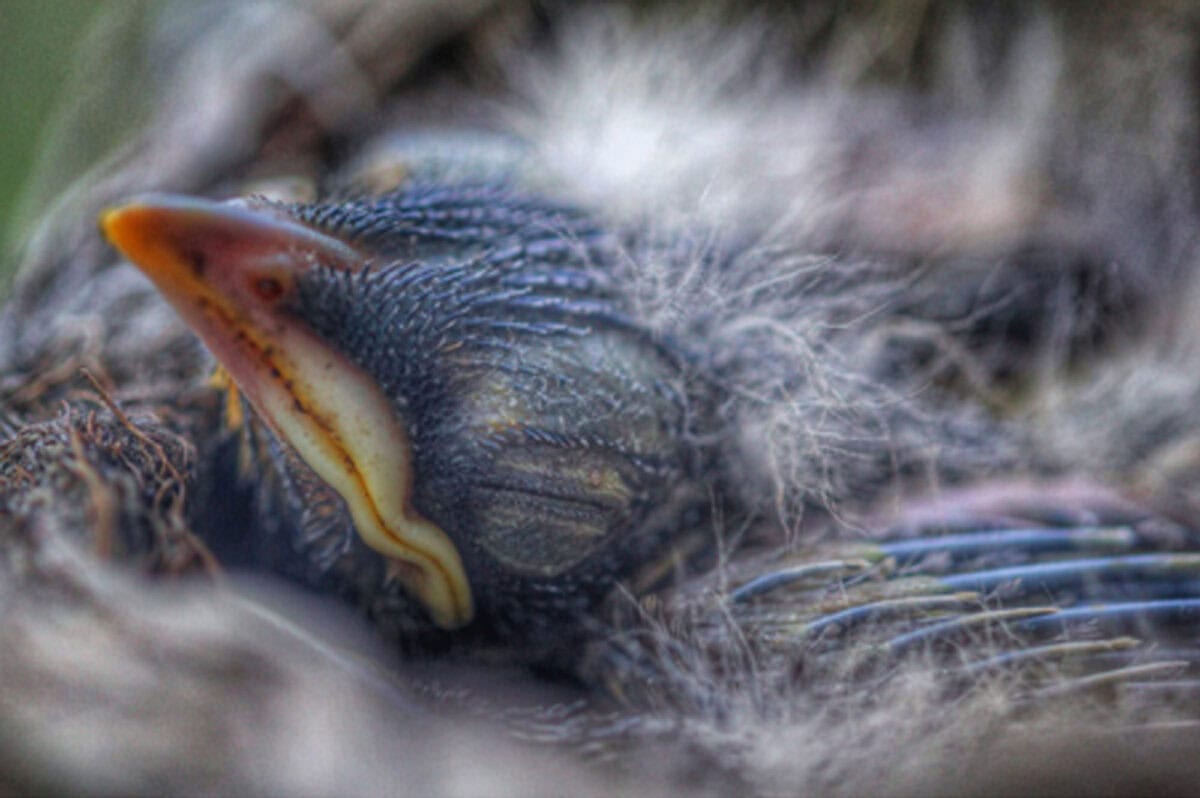
Spring is now here, and we will very commonly have baby birds (fledglings) brought into our clinic after they have fallen from a nest. These birds can do well under the care of an experienced bird handler, but they have a much better chance of survival if they are left in the care of their parents.

If you find a baby bird outside of the nest, take the time to assess it before rushing off to a vet clinic. Most of these baby birds will have parents close by who will continue to watch over and feed them, until they are able to fly themselves.

“If you find a baby bird outside of the nest, take the time to assess it before rushing off to a vet clinic.”

Healthy baby birds will:

  • Have all of their feathers.
  • Be active, vocalising and reactive to their surroundings.
  • Have no obvious injuries.

If a baby bird appears healthy you can help increase the chances of survival by allowing its parents to continue feeding and caring for it.

  • • If the bird is able to perch, place it on a branch near where you have found it.
  • • If you can see the nest it fell out of, replace the baby bird in the nest.
  • • If the bird is unable to perch and you cannot see the nest, you can make an artificial nest using an ice-cream container lined with leaves. Cut the sides of the container down by half and put some small holes in the bottom for drainage. This container can be hung in a tree or on a clothesline, close to where the baby bird was found.

If the baby bird appears sick or injured it will need to be cared for by an experienced bird handler. The bird rescue website www.birdrescue.org.nz/rescuing-a-bird has the contact details for bird rescue centres through the country. You can also call your vet clinic for advice.