
Pet First Aid: Managing Bleeding & Wound Care

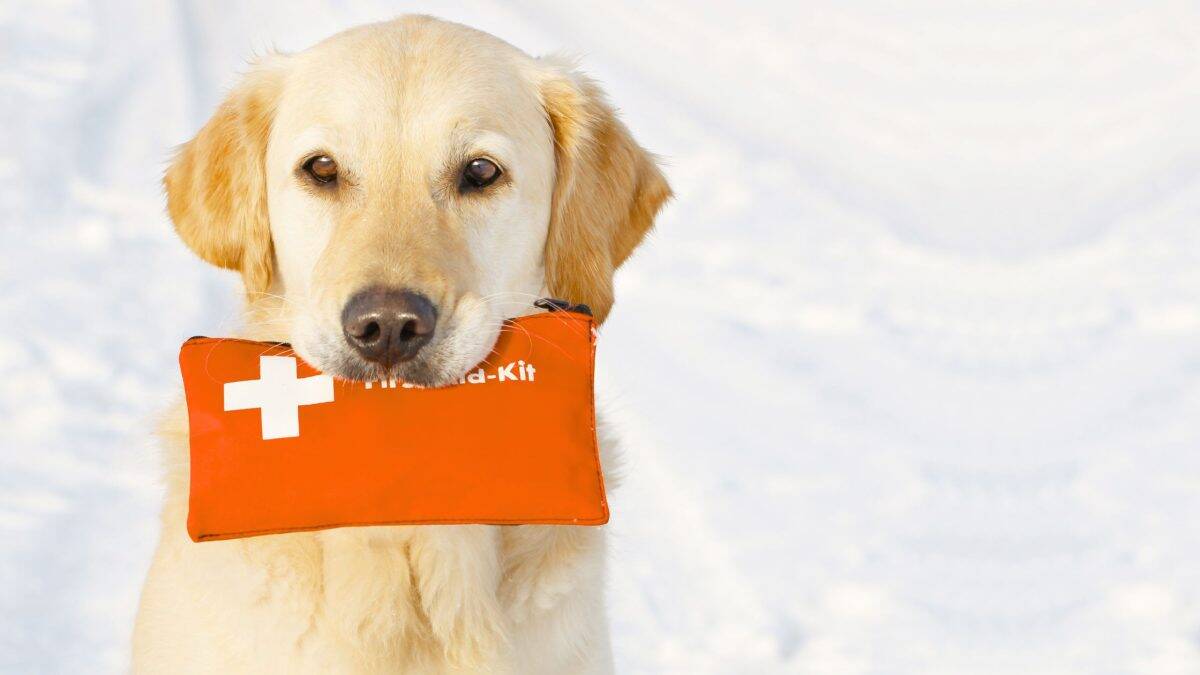
Managing Bleeding and Wounds in Pets
In this section of our first aid for pet owners series, we will discuss the important topic of managing bleeding and wounds in pets. Accidents or injuries can happen to our furry companions, and knowing how to handle bleeding and provide appropriate wound care can help minimise further damage and promote healing. While immediate veterinary attention is crucial for severe wounds, being prepared to administer first aid can make a significant difference in your pet’s well-being. Remember, these guidelines are not a substitute for professional veterinary care, so always consult a veterinarian for a thorough evaluation and treatment.
Steps for Managing Bleeding from a Deep Wound (exposing muscle or bone):
- Remain calm: Stay calm to help keep your pet calm and reduce stress during the situation.
- Keep yourself safe: If your pet is severely injured, anxious or painful they may bite or scratch. Use a muzzle or blanket when appropriate to allow you to help your pet in a safe manner.
- Apply gentle pressure: Use a clean cloth or sterile gauze pad to apply gentle pressure to the wound. This can help control bleeding.
- DO NOT apply any cleaning agents or antiseptics to the wound before it has been assessed by a veterinarian.
- Apply a bandage: A bandage can be placed over the gauze pad to hold gentle pressure on the wound. It is very important this bandage is not too tight.
- Resist the urge to check under the bandage to check if the bleeding has stopped. The bandage should be left in place and the wound checked by a vet as soon as possible.
Steps for Cleaning and Dressing a Superficial Wound (not penetrating through the skin):
- Gently clean the wound: Use lukewarm water on a sterile pad to gently clean the wound. Avoid using any additives such as hydrogen peroxide or alcohol, as they can delay healing and cause tissue damage. The skin around the wound can then be carefully dried with a clean cloth.
- Trim surrounding fur: If the fur around the wound is obstructing proper cleaning or dressing, carefully trim it with pet-safe scissors. Take care to avoid getting hair in the wound while you do this.
- Apply an appropriate dressing: Not all wounds require a dressing, but if this is required it should be placed after cleaning. A sterile, non-stick dressing can be used to protect the wound from contamination and further injury. Secure it with a bandage or self-adhesive wrap, ensuring it is snug but not too tight to restrict circulation.
- If the wound is large or continues to bleed we recommend getting it assessed by your veterinarian as soon as possible.
How to Safely apply a Bandage:
IMPORTANT NOTE – a bandage applied incorrectly can result in serious injury to your pet. These instructions are a guideline for initial first aid, we always recommend a check with your veterinarian before leaving a home bandage in place longer than 1 hour.
- The wound and surrounding area (including fur) should be clean and dry before a bandage is applied.
- It is recommended to use a non-stick sterile pad to cover any wounds that will be underneath the bandage. This will make removal of the bandage easier, and less painful for your pet.
- A light cotton wool layer should be applied over the sterile pad to hold it in place. When placing the bandage on a limb, start wrapping from the toes up towards the body. This layer should be snug, but not too tight.
- Finally, an outer layer of cohesive wrap can be applied over the cotton wool. It is very easy to place this too tightly – we recommend unwinding the roll and then loosely winding it up before applying to your pet. Do not stretch this material when applying to ensure it is not too tight.
- If you notice any swelling of the bandaged limb, it becomes more painful, or your pet is reluctant to use the limb after placement of the bandage, the bandage may be too tight and will need to be replaced.
- A home bandage should never be left on for more than 24 hours without consulting your veterinarian.
Monitoring the Wound and Seeking Veterinary Care:
- Monitor for signs of infection: Keep a close eye on the wound for any signs of infection, such as redness, swelling, discharge, or an unpleasant odour. Contact your veterinarian if you notice any concerning symptoms.
- Prevent licking or scratching: Use an Elizabethan collar to prevent your pet from licking or scratching the wound, as this can introduce bacteria and impede healing.
- Seek veterinary care: Regardless of the wound’s severity, it is advisable to consult your veterinarian for further evaluation and appropriate treatment. They can assess the wound, provide necessary medications (such as antibiotics or pain relief), and guide you on proper wound care at home.
Remember, prompt and appropriate wound care can help reduce the risk of infection and promote faster healing. Even if the bleeding appears to be under control, it’s important to seek veterinary care for a thorough assessment and tailored treatment plan.
Stay tuned for the next section of our Pet First Aid series, where we will discuss managing fractures and skeletal injuries.
Disclaimer: The information provided in this series is intended as a general guide and does not replace professional veterinary advice. Always consult with a veterinarian for proper diagnosis and treatment of your pet’s specific condition.
- Category: Pet Care, Pet First Aid
- Tag: animal emergency, first aid, pet emergency